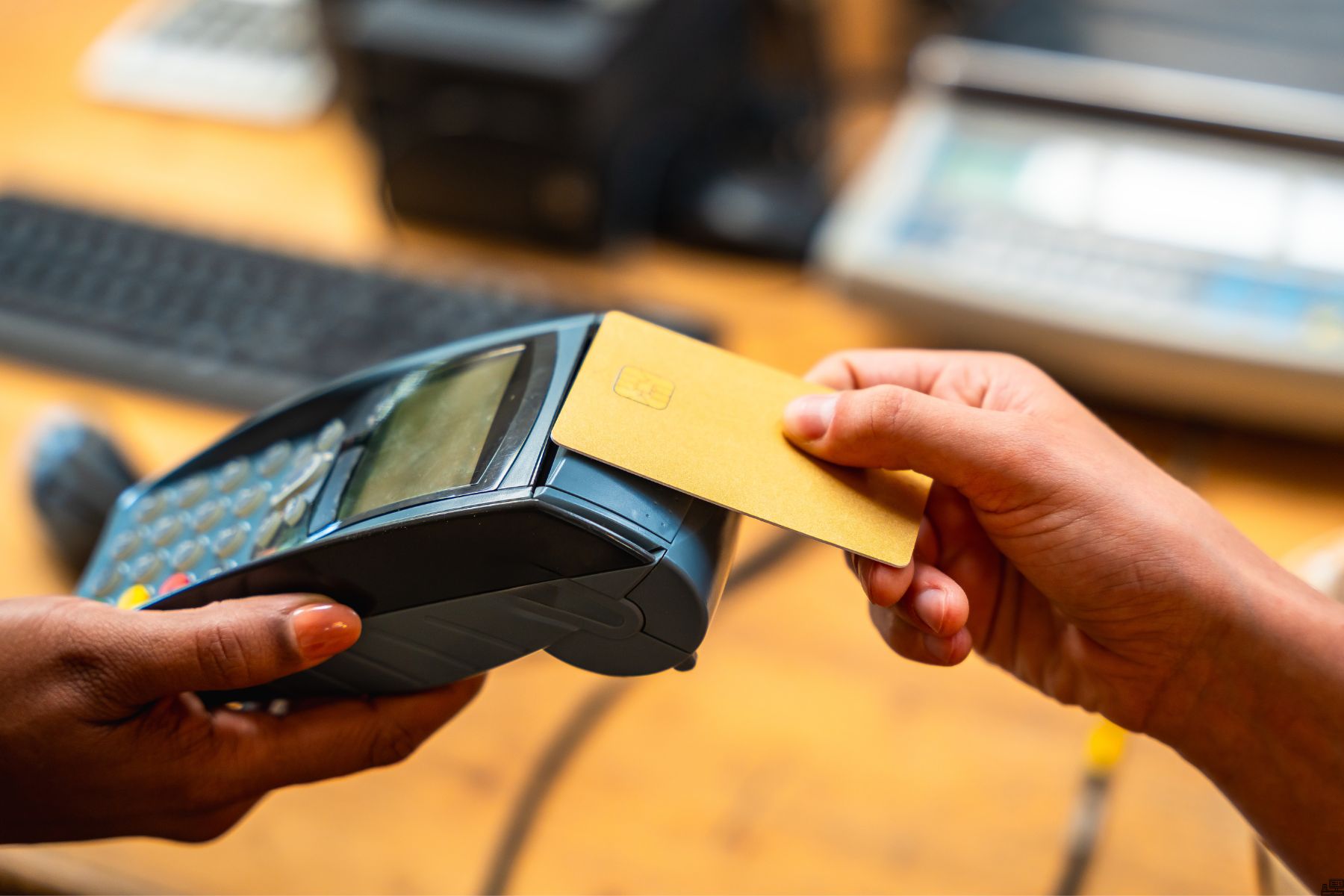
Retail is moving fast. Customer expectations, payment methods, inventory complexity, and omnichannel demand are changing how stores operate. That’s why business owners and IT leaders are asking a critical question: how can POS modernization be made practical, cost-effective, and future-ready without disrupting daily operations?
As an ERP consultant, I see one pattern clearly: retailers who modernize their POS strategically gain better control, faster insights, and higher customer satisfaction.
What POS Modernization Really Means (Beyond Software Replacement)
POS modernization is not just replacing old terminals. It’s about rethinking how sales, inventory, finance, and customer data flow across your business.
A modern POS system should:
-
Sync sales data with ERP in real time
-
Support digital payments, wallets, and QR codes
-
Work across physical stores, online channels, and mobile devices
-
Scale with business growth without frequent rebuilds
Legacy POS systems struggle because they were never designed for today’s retail complexity.
Why Retailers Are Forced to Modernize POS Systems Now
Retailers usually don’t plan modernization until problems become visible.
Common real-world challenges include:
-
Store managers manually reconciling sales at day end
-
Inventory mismatches between POS and ERP
-
Slow billing during peak hours
-
No visibility into customer buying behavior
-
Difficulty adding new stores or payment options
These issues directly impact revenue, customer trust, and operational efficiency.
How Can POS Modernization Be Made Step by Step?
Modernization works best when it follows a structured approach rather than a full system overhaul overnight.
1. Assess Current POS and ERP Gaps
Start by mapping what your POS does today versus what the business needs tomorrow. Identify bottlenecks in billing, reporting, integrations, and store operations.
2. Move Toward Cloud-Based POS Architecture
Cloud POS systems reduce hardware dependency and allow centralized updates, reporting, and monitoring across all locations.
3. Integrate POS with ERP Systems
POS should not operate in isolation. Integration with ERP enables:
-
Real-time inventory updates
-
Automated accounting entries
-
Unified product and pricing control
This integration removes manual data handling and reporting delays.
4. Enable Omnichannel Selling
Modern POS must support:
-
In-store and online orders
-
Click-and-collect
-
Returns across channels
Customers expect flexibility, and POS systems must support it seamlessly.
5. Add Advanced Analytics and Reporting
Modern POS platforms provide dashboards for:
-
Sales trends
-
Product performance
-
Store-level profitability
This data helps management make faster, smarter decisions.
How Can POS Modernization Be Made in Pakistan Retail Market?
When retailers ask how can POS modernization be made in Pakistan, the answer must consider local realities.
Pakistan-specific challenges include:
-
Price-sensitive operations
-
Mixed use of cash and digital payments
-
Internet reliability in some regions
-
Growing regulatory and tax compliance needs
A successful modernization approach in Pakistan focuses on:
-
Hybrid POS models that work online and offline
-
Integration with local payment gateways
-
ERP-linked tax and compliance reporting
-
Scalable systems for multi-branch expansion
Retailers in Pakistan are modernizing not just to compete but to survive in an increasingly digital economy.
Buy, Build, or Customize: Choosing the Right POS Modernization Path
There is no one-size-fits-all solution.
-
Buy: Faster deployment, limited flexibility
-
Build: Full control, higher cost and longer timelines
-
Customize: Balanced approach using modern platforms adapted to business needs
Most growing retailers choose customization because it allows alignment with ERP, workflows, and regional requirements.
Real Retail Scenario: From Manual POS to Modern ERP-Connected System
A mid-sized retail chain struggled with delayed inventory updates and daily reconciliation errors. After POS modernization:
-
Billing time reduced significantly
-
Inventory accuracy improved across stores
-
Finance reports were generated automatically
-
Store managers gained real-time sales visibility
Modernization turned POS from a billing tool into a decision-making system.
Why ERP-Led POS Modernization Delivers Long-Term Value
POS systems generate data, but ERP systems turn data into insight. When POS modernization is driven by ERP strategy, businesses benefit from:
-
Centralized control
-
Lower operational risk
-
Better scalability
-
Cleaner data for forecasting
This approach ensures POS investments continue delivering value as the business grows.
Why Retailers Trust OhadTech
OhadTech helps retailers modernize POS systems with a strong ERP foundation. Our approach focuses on business outcomes, not just technology upgrades.
We help retailers:
-
Design ERP-integrated POS architectures
-
Modernize legacy systems without downtime
-
Support Pakistan-specific retail and compliance needs
-
Build scalable platforms for future growth
Ready to Modernize Your POS System?
If you’re asking how can POS modernization be made for your retail business, the answer starts with the right strategy, not just new software.
Modern POS is about control, insight, and customer experience. With the right ERP-driven approach, modernization becomes a growth enabler rather than a disruption.
Relevant Guides & Services
How Many Levels Does a Typical ERP System Include